After the initial pain and swelling most people will notice a dramatic improvement in their knee problems within weeks of having total knee replacement surgery. Swelling typically lasts for 2 to 3 weeks after surgery but may persist for as long as 3 to 6 months.
 How Can I Manage Pain After My Total Knee Replacement Surgery
General pain may occur for up to several weeks following a total knee replacement.
After total knee replacement pain. Knee replacement pain after three months Swelling and bruising can continue for three months or more following knee replacement surgery. After a total knee replacement loss of strength range of motion and balance lead to an increased risk of falling. A provider will give you anesthesia during a total knee replacement to put you to sleep.
As with all narcotics there are side effects but we recommend that you follow the instructions exactly as they are given to you. A total knee replacement is a type of surgery whereby a diseased knee joint is replaced with artificial material such as titanium and plastic. A fall can damage the prosthesis or interfere with the healing process.
With 40 or more of patients still experiencing pain a year following total knee replacement and pain percentages increasing even more over time it is clear that chronic knee replacement pain is very common. Your new knee is placing new stress on the tibia shin bone. Experts note that due to its exceptionally invasive nature knee replacement surgery can generate substantial pain post-op so learning how to manage it is very important.
However it is seldom the cause of persistent pain right after surgery. After dinner I prepared for my first nights sleep knowing I would be woken up every 4 hours for vitals and medication. This is most often the cause of pain years or decades after the knee replacement.
About 30 percent of patients experience moderate pain after a total knee replacement. However it varies from patient to patient and depends on the condition you were in before surgery. One study suggests your bone will remodel and adapt to the new loading pattern over the first 3 to 12 months after surgery.
You must keep the wound clean and dry until the stitches are removed usually after 7-10 days. Pain after a fall needs to be evaluated by an orthopaedic surgeon. Have your situation evaluated.
Swelling typically lasts for 2 to 3 weeks after surgery but may persist for as long as 3 to 6 months. Its important to keep in mind the typical timeline for recovering from surgery typical timeline for recovering from surgery before a patient becomes too concerned about ongoing post-operative pain. Shin pain after knee replacement surgery is often caused by NEW bone strain.
Orthopedic surgeon Robert Molloy MD. Physical therapy can also be considered after this time but the results are not as good as early physical therapy. As the knee heals the post-op knee replacement recovery pain will settle down usually within a few weeks.
Pain in the knee following the operation can last from six months to as long as one year but dont get discouraged. Once fully healed knee replacement surgery will help provide pain relief and improved function long-term. While it is possible you could be in the pain-free percentage is it worth a knee amputation to find out.
Many people are scared death these days with the media coverage of opioid addiction that sound reasoning begins to become a problem for many and they get torn between using the medication or not. The most common causes of pain after knee replacement include. Pain After Knee Replacement Surgery The First Night.
After your knee surgery your orthopedic surgeon will most likely have you on narcotic pain medication. Loosening of the implant. You can help reduce the swelling by using Ice and Tubigrip a special compression bandage.
But when that happens you dont have to just put up with the pain. Believe me the pain after a knee replacement can become your worse nightmare if you decide to go cold turkey too soon. In addition postoperative swelling is often a major source of pain for patients.
Happily the knee replacement components are still well positioned and she ultimately healed without any residual pain or weakness. However if the pain lasts for several weeks following surgery it may be a cause for concern. It would have been nice if my roommate and I could have had the same nurse because they never arrived at the same time.
Several additional treatment options may ease chronic knee pain after knee replacement. After the anesthesia wears off it is typical to experience moderate to severe pain swelling and bruising. After knee replacement surgery most people stay in the recovery room for several hours.
After surgery some pain is normal. Although its uncommon a small percentage of patients continue to have chronic knee pain after knee replacement surgery. General pain may occur for up to several weeks following a total knee replacement.
You can expect to be medicated for at least a few weeks. Physical therapy is a useful treatment for a stiff knee especially within the first three months after knee replacement. Pain medication and gentle knee exercises may help manage pain and swelling after knee replacement surgery.
Infection is a serious and worrisome concern. Before your knee replacement you likely had a valgus or varus curvature to the knee.
It can be so. This French study looked at almost 2000 knee replacement patients one year after their surgery.
Pain Control After Surgery Symptoms Treatment
You may be surprised where you feel pain after surgery.

Severe pain after surgery. Of course this may be an out-of-the-way case nevertheless it has been found to have an effect on a number of persons. You can aid in your own recovery by. Chronic pain that develops after an operation is often known as chronic or persistent post-surgical pain.
Alternating these medications with each other allows you to maximize your pain control. A significant but under-recognized cause of chronic abdominal pain after surgery is cutaneous nerve entrapment. You may or may not feel the following.
Steps can be taken to minimize or eliminate pain but pain that gets worse especially if other symptoms are present can be a sign of a surgical complication that may need to be checked by the doctor. General pain may occur for up to several weeks following a total knee replacement. Months later a EMG revealed that I had permenent nerve damage caused not by the surgery but by the constant zapping of the Sciatic nerve pre-surgery.
There are few prospective studies providing comprehensive assessment of risk factors for acute and persistent pain after breast surgery. There should be a good improvement in your pain levels when you go for your first check-up after 10 days of surgery. During a period of 55 years 25 patients underwent 28 operations for ulnar nerve entrapment at the elbow and experienced excruciating pain after surgery.
Surgical pain is an unpleasant sensation that results from a surgical procedure. Eating a high-fiber diet. Remaining hydrated by drinking eight to 10 glasses of water each day.
The fibrosis tissue doesnt hurt itself but its connection to the lumbar nerve root will cause you to have severe pain. For instance Eduardo M. A time when it is very little to no pain.
The extent of the problem first came to light in a survey of patients attending pain clinics in Scotland and the north of England. Your doctor will probably recommend a pain reliever to alleviate the discomfort. Pain after surgery is common.
This is thought to be the cause of around 30 of cases of SINP after abdominal surgery. Another thing that can cause back pain after surgery is epidural fibrosis. Additional Studies on Knee Pain After Knee Replacement.
Fraifeld MD president of the American Academy of Pain Medicine says that following back surgery people commonly experience a lot of muscle spasms. PAIN after surgery may persist well after wound healing has taken place and in some patients chronic pain ensues after the operation1After cardiac surgery the reported incidence of chronic poststernotomy pain varies from 21 to 56 according to various studies27This large variability between studies seems to result from heterogeneity in both the definition of pain and the patient populations as well as the retrospective nature of most of the investigations247To our knowledge. In most cases your joint pain will no longer be there after 10 days and you will also notice your soft tissue pain easing considerably.
The reason may lie in muscular problems though it may also occur after undergoing shoulder surgery. Pain after surgery is also normal and to be expected. Olive The Image Bank Getty Images Pain after surgery can also stem from factors that accompany surgery.
Pain is caused by the damage done to tissue by the incision the procedure itself the closing of the wound and any force that is applied during the procedure. This occurs when nerves near the surface of the abdomen become entrapped as they pass through the rectus muscle. This is also the formation of scar tissue that usually occurs 6 12 weeks after the back surgery.
Your throat may feel sore or scratchy. Chronic pain after surgery has until recently been a neglected topic. After my last surgery discectomy at L4L5 I experienced some tingling and general numbness in the areas where my Sciatic pain was the most intense bottom tibiaankle and toes.
Swelling typically lasts for 2 to 3 weeks after surgery but may persist for as long as 3 to 6 months. How to Relieve Pain After Hemorrhoid Surgery. Consider using a walking aid up to 4 weeks after your surgery to accelerate healing.
This prospective observational study assessed patient-related perioperative and genetic risk factors for severe acute pain and persistent pain following breast cancer surgery. You may feel muscle pain in the neck shoulders back or chest from lying on the operating table. Pain after surgery in children.
The best strategy for controlling your pain after surgery is around the clock pain control with Tylenol acetaminophen and Motrin ibuprofen or Advil. There are a lot of people that experience back pain after shoulder surgery and it can be so severe that it causes them to be unable to sleep for whole of the night. 17 This survey showed that about 20 of patients attending chronic pain clinics implicated surgery as one of the causes of their chronic pain and in about half of these it was the sole cause.
While this most recent study we highlighted shows nearly 40 of patients still having chronic knee pain after knee replacement there are other studies reporting higher percentages. You can expect rectal and anal pain after having pile surgery. The site of surgery is often not the only area of discomfort.
Knowing when pain becomes chronic after surgery is especially difficult because many people have had their surgery to treat a painful condition such as a painful hernia or a long-standing back problem. Severe pain mostly radiating from the elbow into the hand is the main indication for subsequent surgery.
A dislocated shoulder is both painful and incapacitating. Your care team will advise you.
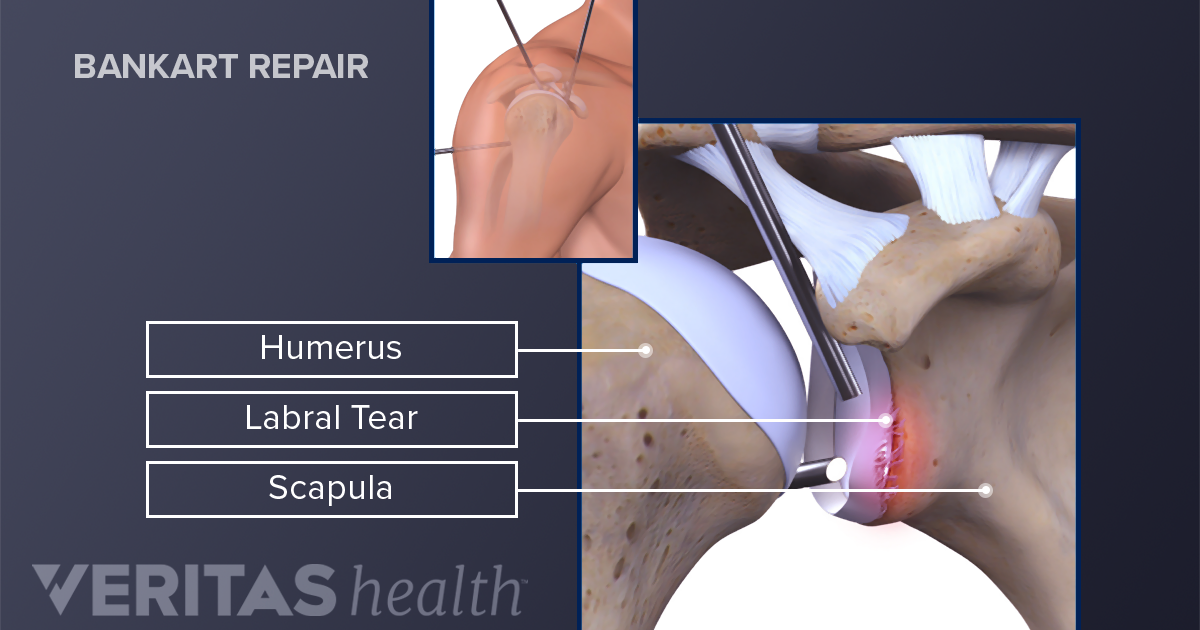 Surgery For A Dislocated Shoulder What To Expect
Sleeping can be complicated after shoulder dislocation surgery.
Recovery after dislocated shoulder. In bed a few pillows can be used to create a protected spot for the shoulder and keep it in a neutral position. The fourth stage of recovery after shoulder dislocation means the return to usual activities. Many people find it helps to sleep sitting up in a recliner with a pillow behind the affected arm.
However you should follow. The pain of a dislocated shoulder is severe. They also help strengthen your shoulder and arm muscles.
You can ice it several times a day. What are potential complications of a shoulder dislocation. After the first time you dislocate or sublux your shoulder recurrence is very likely especially in younger patients.
The overall rehabilitation and recovery time from a shoulder dislocation is about 12-16 weeks. Failure to follow your doctors instructions will hamper your recovery and prolong healing so be sure to listen to your doctor and do what she advises. Surgery may or may not be needed after your dislocation.
Youll usually be able to resume most activities within 2 weeks but should avoid heavy lifting and sports involving shoulder movements for between 6 weeks and 3 months. If surgery is necessary full recovery and return to sports can take up to six months or longer. After about 6 weeks more resistance exercises will be added to strengthen the joint and its surrounding muscles.
Recovery largely depends on whether surgery is necessary. After two weeks you should be able to return most activities of daily living. Initially therapy will focus on gentle motions to increase range of motion and flexibility.
Your doctor may use a special splint or sling for a few days to three weeks to keep your shoulder from moving. What is the typical recovery time for a dislocated shoulder. Continue the exercise for the development of mobility.
Shoulder dislocation exercises help decrease pain and swelling after a shoulder dislocation. Therefore for cases of dislocated shoulder if there is no significant damage to the ligament structures and nerves then it may take about 10-12 weeks for an individual to get back into normal activities. Your pain level will improve greatly once the shoulder is back in place.
Generally after 6 weeks of rest and therapy you should be feeling better. About 2 weeks after surgery for shoulder instability patients can begin more extensive stretching exercises through a physical therapy program. The force required is often that of a fall or a collision with another person or object both of which can occur during many sports.
You may also need surgery if you have a job in which you need to use your shoulder a lot or need to be safe. The recurrence rate decreases as your age advances. Try to move as much as you have moved before the dislocation.
The total rehabilitation and recovery time from a shoulder dislocation is about 12-16 weeks. It depends on your age and how often your shoulder has been dislocated. The recurrence rate in patients under 25 years old is about 80.
Often an athlete can return to play during the same season after a shoulder dislocation. You can already lift light weights and the athletes can start working with power equipment and gradually increase the loads. It can take anywhere from 12 to 16 weeks to completely recover from a dislocated shoulder.
Within the first week youll probably start to move your shoulder again. Lean over a table. What is the typical recovery time for a dislocated shoulder.
20 years experience Orthopedic Surgery. You can stop wearing the sling after a few days but it takes about 12 to 16 weeks to completely recover from a dislocated shoulder. Most shoulder dislocations happen at the lower front of the shoulder because of the particular anatomy of the shoulder joint.
Stop if you feel pain. How long you wear the splint or sling depends on the nature of your shoulder dislocation and how soon the splint is applied after your dislocation. In the emergency room your arm was placed back relocated or reduced into your shoulder socket.
Your doctor will give you pain medication and a sedative to relax you and make it easier to put your shoulder back in place. Top 3 Exercises After A Dislocated ShoulderBob and Brad discuss exercises safe to do after a shoulder dislocationUpdate The Bob Brad Workout Wall An. Generally speaking the time it takes to recover from a dislocated shoulder can range from one to three months but keep in mind that this is only an estimate.
Rest the hand of your uninjured arm on the outer edge of the table. A 40-year-old member asked. With aggressive physical therapy the individual may regain all the lost strength as a result of dislocated shoulder.
You may wear a sling or brace for several days to hold the shoulder still.
These are 5 home exercises for stroke patients that can help. Know that it can take a long time for aphasia to improve following a stroke 1.
 Speech Therapy After Stroke Hprc
A TIA is a potential strokes warning sign.

Speech therapy after stroke. The overall effectiveness of speech therapy for people who have communication difficulties after a stroke largely depends on the area of the brain the stroke affected and the severity of the brain damage. The type of language impairment depends on which part of the brain has been affected by the stroke. What You Need to Know Following a stroke many individuals experience speech and language difficulties.
Generally speech therapy can help those whose speech is affected by a stroke. If you have a stroke or see signs in those around you call 9-1-1 immediately. Speech therapy exercises are great for improving language disorders like aphasia.
What to Expect in Speech Therapy Sessions Speech therapy sessions typically start with an assessment to establish a baseline of how the stroke has affected the patients communication abilities. A patient who survives stroke has to go through moderate to severe speech and language impairments known as Aphasia. A TIA like a big stroke is a medical emergency.
Even simple ones such as happy birthday. Others might comprehend speech correctly but struggle with word formation. A common symptom of aphasia and speech impairment in stroke patients is trouble regulating breathing while speaking.
This is where SLPs really help. Speech therapy is often personalized and will begin with a diagnostic assessment by a trained specialist to understand which areas and abilities have been most affected by the stroke. Studies on stroke victims have shown that in addition to early intervention intensive therapy also helps.
It can be corrected or at least reduced by speech therapy exercises. Emergency treatment is required for strokes and TIAs. The overall effectiveness of speech therapy for people who have communication difficulties after a stroke largely depends on the area of the brain the stroke affected and the severity of the.
Speech Therapy After a Stroke. These disorders occur when the language center of the brain becomes damaged after injury like stroke. Therefore aphasia often occurs after a left hemisphere stroke or brain injury.
The speech therapy exercises that help one person may not help another. Therapy for cognitive disorders. Speech and language therapy is involved through all phases of stroke recovery and helps people to manage the communication and swallowing difficulties they may face after a stroke.
Speech therapists specialize in communication but caregivers play a huge role in helping their loved ones who are trying to regain their language skills. Keep working hard attending speech therapy visits and practicing your speaking skills regularly with friends and family at home. Specifically speech and language therapy is involved in.
Speech therapy helps stroke patients relearn language and speaking skills or learn other forms of communication. In this post we discuss common issues and how speech therapy can help you or your loved one regain normal communication. You will receive a program of strategy training that you practice together with your therapist and a list of exercises to work through at home.
Speech therapy is appropriate for patients who have no problems with cognition or thinking but have problems understanding speech or written words or problems forming speech. The speech therapy used a technique called constraint-induced aphasia therapy or CIAT which combines intense verbal communication training with language games that build simple as well as complex. Exercises Used to Improve Speech After Stroke.
You need to know that. There is no one-exercise-fits-all regimen for speech therapy. Therapy for communication disorders.
Occupational therapy and speech therapy can help you with lost cognitive abilities such as memory processing problem-solving social skills judgment and safety awareness. Rehabilitation after a stroke can help people get back some or all of their skills. Speech therapy can help with speech improvement after a stroke.
Speech therapy can help you regain lost abilities in speaking listening writing and comprehension. Speech therapy can help with speech and language improvement after a stroke. Stroke speech therapy may be grueling in the first days and weeks after the stroke as the therapist uses a variety of speech therapy activities to stimulate the patient and get him or her communicating successfully.
Speech therapy will teach you how to use and improve the speech skills you still have while working to regain lost speech skills. The language center resides in the left hemisphere of the brain. Talk about things that are important feelings responsibilities problems finances.
For instance some stroke patients might speak with clarity but struggle with comprehension. Research has shown that music that is mostly stored in the right side of the brain stimulates the damaged left side of the brain after a stroke so SING SING SING. Speech therapy after stroke is important for each type.
The assessment includes tests to measure difficulty speaking understanding speech and reading.