Liver disease is a broad term that can describe any issue that damages the liver and affects its function. To confirm a diagnosis of autoimmune hepatitis your doctor will use blood tests and a liver biopsy in which a sample of liver tissue is removed with a needle for examination in a laboratory.
 A Concise Review Of Autoimmune Liver Diseases Intechopen
Additional symptoms may.

Autoimmune liver disease diagnosis. What is autoimmune liver disease. Liver cirrhosis is a late-stage liver disease. Alcoholic hepatitis autoimmunity autoimmune hepatitis.
Untreated autoimmune hepatitis can lead to scarring of the liver cirrhosis and eventually. An autoimmune disease is a condition that involves your immune system attacking healthy tissue in your body. Its important to learn some of the most common ones so youll know the signs you have one of them.
What are autoimmune diseases. The four-part book begins with a thorough investigation of current immunological thinking as it relates to the. Dr Gaurav Gupta concludes that Primary Biliary Cholangitis PBC previously known as Primary Biliary Cirrhosis PBC is a sporadic Liver disease.
Your physicians may use a variety of tests and techniques to pinpoint your autoimmune liver disease diagnosis including blood and imaging tests and biopsies. There are various possible symptoms of autoimmune diseases. People without symptoms at diagnosis may develop symptoms later.
Your physician will check the status of your blood cell counts liver function and the presence of autoimmune antibodies. Autoimmune hepatitis occurs when the immune system attacks the liver. Incidence of this disease worldwide is 03-58 in.
Testing a sample of your blood for antibodies can distinguish autoimmune hepatitis from viral hepatitis and other conditions with similar symptoms. Normally your immune system will identify bacteria or a virus and attack it it knows the difference between foreign cells and its own cells. Autoimmune Diseases of the Liver and Kidneys.
What Is Autoimmune Cirrhosis. Symptoms include fatigue nausea a loss of appetite abdominal pain and diarrhea. In Part 1 we looked in-depth at how Systemic lupus erythematosus SLE and Sjogrens Syndrome.
Possible causes include infections genetic conditions autoimmune disorders and cancer. Now we will take a look at autoimmune diseases of the liver and kidneys. Those that cause your immune system to attack your liver can cause inflammation and.
Signs symptoms Diagnosis Treatment. A practical guide to autoimmune liver diseases through pathogenesis diagnosis and management In Autoimmune Liver Disease Management and Clinical Practice practitioners will learn about the current state of autoimmune liver disease and how to focus on their diagnosis and treatment. The diagnosis of autoimmune liver disease is based on presence of serum autoantibodies elevated IgG compatible liver histology positive family history for autoimmune conditions and exclusion of other causes of pediatric chronic liver disease.
Fascioliasis a parasitic infection of liver caused by a liver fluke of the genus Fasciola mostly the Fasciola hepatica. Doctors will order additional blood tests to look for other liver diseases that have symptoms similar to autoimmune hepatitis such as viral hepatitis primary biliary cholangitis primary sclerosing cholangitis nonalcoholic steatohepatitis NASH or Wilson disease. They include fatigue swellingredness sore muscles lack of focus skin rashes and hair loss.
There are more than a hundred different kinds of liver disease. Hepatitis inflammation of the liver is caused by various viruses viral hepatitis also by some liver toxins eg. Antibody tests also help pinpoint the type of autoimmune hepatitis you have.
These are some of the most common. In such cases doctors may find evidence of liver problems during routine blood tests that leads to a diagnosis of autoimmune hepatitis. BUT at least youve got the answer for your.
Some people with autoimmune hepatitis have no symptoms. You may be feeling relieved disappointed or devastated. The exact cause of autoimmune hepatitis is unclear but genetic and enviromental factors appear to interact over time in triggering the disease.
Autoimmune hepatitis formerly called lupoid hepatitis is a chronic autoimmune disease of the liver that occurs when the bodys immune system attacks liver cells causing the liver to be inflamedCommon initial symptoms include fatigue or muscle aches or signs of acute liver inflammation including fever jaundice and right upper quadrant abdominal pain. For those who have symptoms diagnosis is usually made though a mixture of taking a careful medical history performing a physical examination a range of blood tests and a liver biopsy. Autoimmune diseases are when your immune system attacks your body by mistake.
Autoimmune hepatitis is liver inflammation that occurs when your bodys immune system turns against liver cells. Enlarged liver hepatomegaly abnormal blood vessels on the skin spider angiomas abdominal distention swelling dark urine. When symptoms of autoimmune hepatitis are present they can range from mild to severe.
A diagnosis of Autoimmune Hepatitis is usually made by looking at your test results and ruling out other causes of liver disease such as fatty liver disease or viral hepatitis. Doctors perform a liver biopsy to confirm the diagnosis and to determine the degree and type of liver damage. 9 strongly agree 3 agree.
How is autoimmune hepatitis treated. A diagnosis at last.
If bladder cancer spreads to the lungs the resulting tumors can make it difficult to breathe. Symptoms include blood in the urine pain with urination and low back pain.
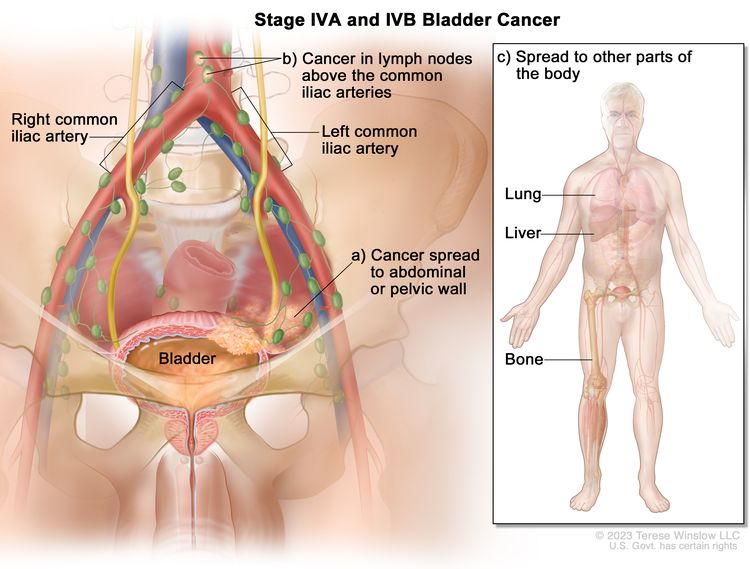 Bladder Cancer Treatment Bladder Cancer Pictures Signs Symptoms To Better Understand Diagnosis Cleveland Oh University Hospitals
If it has spread to a more distant site the 5-year survival rate is 46 percent.
/liver-cancer-symptoms-5ae778bd1f4e1300366840a0.png)
Bladder and liver cancer. The most common type of bladder cancer is transitional cell carcinoma also called urothelial carcinoma. Once diagnosed bladder cancer can be classified by how far it has spread. Malignancies confined to the liver are one of the most common forms of cancer.
Most bladder cancers are diagnosed at an early stage. Bladder cancer usually spreads to distant lymph nodes bones lungs or liver. Bladder cancer begins when abnormal cells in the bladders inner lining grow and divide in an uncontrolled way.
The National Cancer Institute reports that rates for bladder cancer cases have fallen an average of almost 1 each year with survival rates holding steady at 773 for the five-year outlook. For bladder cancer if the cancer has spread to the regional lymph nodes the 5-year survival rate is 363 percent. There are two basic types of the disease.
Start here to find information on bladder cancer treatment screening research and statistics. Risk factors for bladder cancer include smoking family history prior radiation therapy frequent bladder infections and exposure to certain chemicals. Bladder cancer can often be found early because it causes blood in the urine or other urinary symptoms that cause a person to see a health care provider.
The most common type is transitional cell carcinoma. Types of bladder cancer. What happens if bladder cancer spreads to the lungs.
If bladder cancer does spread to another part of the body it is most likely to go to the bones lungs or liver. Most people dont die as a result of this type of bladder cancer. The bladder is a hollow muscular organ in your lower abdomen that stores urine.
It is a cancer that does not spread to the muscle of the bladder and remains in its inner layer. Stage 4 means that the cancer has spread to the wall of the abdomen or pelvis the lymph nodes or to other parts of the body. This is the most common type of bladder cancer.
1 Symptoms of metastatic bladder cancer. 123 This information comes from various diagnostic tests and possible surgery. When bladder cancer reaches stage 4 the original tumor has often grown and pushed through the wall of the bladder.
Bladder cancer is any of several types of cancer arising from the tissues of the urinary bladder. Metastatic bladder cancer is the name for bladder cancer that has spread to other parts of the body such as the lungs the liver or the bones. According to the American Cancer Society approximately 81400 people in the United States will be newly diagnosed with bladder cancer in 2020.
Even if the cancer cells are first discovered in the bones for example if they first started growing in the bladder it is still called metastatic bladder cancer. It is also defined as Superficial Bladder cancer or early stage bladder cancer. Determining a patients overall bladder cancer stage involves combining information that describes the bladder tumor T any cancer cells in nearby lymph nodes N and any cancer cells that have metastasized M or spread to parts of the body that are distant from the bladder.
Bladder cancer is often diagnosed at an early stage. Smoking is a major risk factor for bladder cancer. Liver and Gallbladder Cancer.
At Personalized Hematology-Oncology our oncologists are at the forefront of genetic testing and personalized targeted cancer treatments. Blood in the urine. If the cancerous cells are contained inside the lining of the bladder doctors describe it as non-muscle-invasive bladder cancer.
Based on records from 2007 to 2013 the five-year relative survival rates were 957 percent for stage 0 bladder cancer and 701 percent for stage 1 bladder cancer. Primary liver cancer hepatocellular carcinoma tends to occur in livers damaged by birth defects alcohol abuse or chronic infection with diseases such as hepatitis B and C hemochromatosis a. There are different types of bladder cancer.
This can lead to jaundice discolored urine and abdominal pain and swelling. If bladder cancer spreads to the liver it can make it difficult for the liver to produce bile break down fat cells and filter toxic substances out of the body. Bladder cancer most often begins in the cells urothelial cells that line the inside of your bladder.
Urothelial carcinoma formally known as transitional cell carcinoma is the most common form of bladder cancer 80-90 and starts in the urothelial cells in the bladder walls innermost layer. Bladder cancer is a common type of cancer that begins in the cells of the bladder. Primary liver cancer originates in the tissues of the liver itself while metastatic liver cancer occurs when cancer cells spread from other parts of the body most commonly from the stomach.
Cancer cells may have spread to organs close to the bladder or those further. In most cases blood in the urine called hematuria is the first sign of bladder cancer.