Osteoarthritis is the most common reason for hip replacement surgery to be done. Our goal is to have you up and walking a few hours after your operation.

The most common reason for hip replacement surgery is osteoarthritis.

Reason for hip replacement. Other conditions that can cause hip joint damage include. There are many causes of hip pain after replacement. Osteoarthritis rheumatoid arthritis and traumatic arthritis are the most common forms of this disease.
A Serious Hip Fracture. A hip revision procedure involves removing and replacing a worn loosened or misaligned implant in order to relieve pain and improve the function of the implanted hip system. It is also sometimes done to treat a broken hip hip fracture but this depends on where the hip has broken.
Hip replacement may be an option when nonsurgical interventions such as medication physical therapy and the use of a cane or other walking aid no longer help alleviate the pain. Getting ready for surgery begins several weeks or more before the surgery. Hip replacement surgery is a safe and effective procedure that can relieve your pain increase motion and help you get back to enjoying normal everyday activities.
The worse the damage the harder it. Some causes of hip pain including conditions like arthritis or age-related wear and tear can eventually cause major damage to your hip. The anterior approach is most often used when arthritis is the reason for a hip replacement.
Arthritis damage is the most common reason to need hip replacement. Other causes of a hip replacement wearing out include infection breaking of the prosthesis breaking of the bone around the prosthesis and other complications. It can even be used to fix a hip that has.
But it also be used to replace hips with any type of damage. In such cases a person will also experience great pain from the joint. The overwhelming majority of hip replacement surgeries though are necessitated by arthritis.
The usual reason that someone has a hip replacement is because they have very painful arthritis in their hip. Osteonecrosis is a third condition that may require hip and knee replacement. When a hip joint becomes worn or damaged to the extent that mobility is affected replacement is required.
In the majority of cases hip revision surgery is more complex and time consuming than the original hip replacement1 With over 332000 hip replacements performed in the. The success of hip and knee replacement will vary depending on the amount of damage that has occurred to the joint. Also called total hip arthroplasty hip replacement surgery might be an option for you if your hip pain interferes with daily activities and nonsurgical treatments havent helped or are no longer effective.
Hip replacement may be needed because of diseases such as osteoarthritis rheumatoid arthritis or osteonecrosis or because of broken bones from trauma or disease. The most common include infection loose prosthesis tendonitis hip replacement failure dislocation metal ions prosthesis fracture and the wrong diagnosis. When the upper part of the thigh bone breaks it is referred to as a hip fracture.
Hip replacement surgery is one of the most successful operations in all of medicine. The surgery itself typically takes two to three hours. Replace a worn-out hip joint Improve the motion of your hip.
Your hip is damaged. Reasons for Hip Replacement Surgery There are several conditions which can lead to chronic hip pain and disability requiring hip replacement. Three Reasons That Total Hip Replacement Surgery Might be the Best Option for You.
The main reasons for a total hip replacement are to. Disorders that cause unusual bone growth bone dysplasias Who is offered hip replacement surgery. Surgery to replace the hip may be required if you have any of the following conditions.
Total hip replacement also called total hip arthroplasty is a hip replacement surgery that is performed over 100000 times each year. Depending on the cause of the implant failing treatment other than revision hip replacement may be needed. Knee surgery essentially resurfaces the joint with metal and plastic.
Other causes of hip pain include spinal disorders nerve disorders and sacroiliac joint dysfunction. Hip replacement is a surgical procedure in which the hip joint is replaced by a prosthetic implant that is a hip prosthesisHip replacement surgery can be performed as a total replacement or a hemi half replacement. Another reason many people will have to undergo hip or knee replacement is due to an accident that damages the joint.
Hip surgery replaces your damaged joint with a ceramic ball and plastic liner. Hip replacement surgery is a procedure in which a doctor surgically removes a painful hip joint with arthritis and replaces it with an artificial joint often made from metal and plastic components. Such joint replacement orthopaedic surgery is generally conducted to relieve arthritis pain or in some hip fracturesA total hip replacement total hip arthroplasty or THA.
A simple skin infection cellulitis cellulitis can commonly be treated with oral or intravenous antibiotics and close monitoring. Although bacteria are abundant on our skin and the gastrointestinal tract the immune system works hard and generally keeps the harmful bacteria in check.
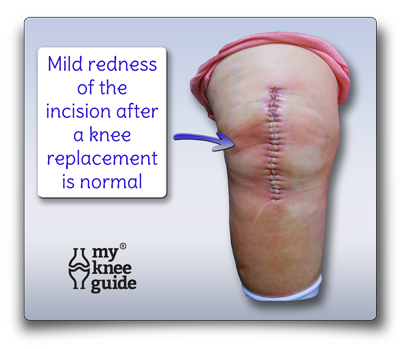 The Wound Important Considerations To Understand
I was assured that they made the same effort to sterilize the operating room surgical tools and implants.
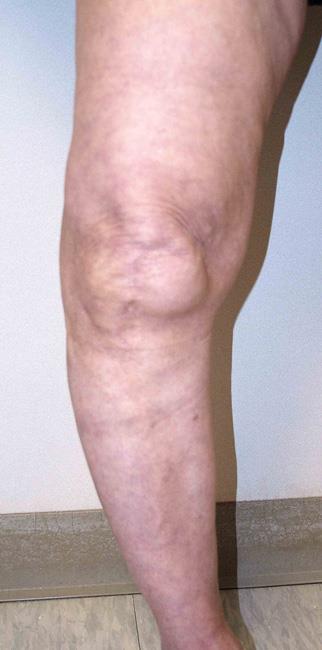
Infection after knee replacement. Joint replacement infections can even occur years after your surgery. 1 infection present at the time of the primary total knee arthroplasty 2 infection develops within the first 30-days after surgery 3 infection goes into the blood but symptoms only last four-weeks and 4 a chronic infection lasting more than 30-days. The authors start out by classifying knee infections that occur after the primary first total knee replacement as one of four types.
Infections are particularly troublesome after reconstructive knee surgery such as ACL reconstruction because of the presence of tissue grafts. I was on 6 weeks of Vancomycin antibiotics through a PICC line and afterwards the doctor stated that I would have to be on a low dose of antibiotics Doxycycline 100mg for the rest of my life that it was the new recommendation from the AMA. Joint replacement infections may occur in the wound or deep around the artificial implants.
Infections are caused by viruses or bacteria. Knee infection after surgery Knee replacement surgery is a common surgery that doesnt present complications for most people. This infection can cause an abscess in the bone that can cut off nutrients and oxygen to the bone.
But how is a new knee connected to your teeth. Doctors call these superficial minor or early-onset infections. Superficial infection can occur at the incision site normally within days or weeks of surgery.
I have had home health PT but the knee is not moving. One of the most concerning complications associated with a knee replacement is an infection. Any time there is a surgical procedure there is a chance of developing an infection.
Thats because it is very difficult to treat a knee after it is infected. Pain is common after a knee replacement due to the invasive disruption of bone and tissue. An infection of a knee replacement is one of the worst complications we worry about.
A knee replacement infection may develop in the wound after surgery. Multiple surgical procedures and long term antibiotics are needed to attempt to rid your body of an infection once your knee replacement is infected. Primary knee replacement is most commonly performed for osteoarthritis.
Discomfort in the knee may last for several weeks after surgery. TKR infections can range from minor to severe. After knee replacement surgery an infection can develop in the skin around the incision.
In less than 1 percent of joint replacement surgeries an infection. Infections after most knee surgical procedures including knee arthroscopy are rare but they do occur. These options depend on how soon the infection manifests after surgery and the severity of the infection.
However pain can also be caused by a post-surgical infection and can cause a throbbing or sharp pain which is persistent. Admitted the knee was infected and immediately did surgery and put in a spacer knee. Now after 6 weeks of home IV antibiotics I anticipate what is next.
Infection after knee replacement surgery is rare. There are two types of infection that can occur after knee replacemen t or hip replacement surgery. In my case the hospital took special care to make sure my knee was sterilized before surgery.
A knee replacement infection may occur at any time after surgery. 9 Signs Of Knee Replacement Failure 1 Infection. You should not ignore such an infection even if it appears minor as it can become a more major infection if left untreated.
Another infection called cellulitis can affect the knee when bacteria infect the skin above the knee. Because doctors want to avoid infections youll probably be advised to avoid dental work immediately after your TKR. Any type of infection in other areas of the body can also lead to the infection of the hip or knee replacements.
I recently had an infection on my total knee replacement they went in and clean the infected area. If you develop an infection in and around your knee after knee replacement it can be one of the worst complications to occur. I had total knee replacement after 8 weeks the Dr.
Superficial infections usually occur soon. Although knee replacement often improves function and decreases pain complications after knee replacement can include long-term pain periprosthetic fracture and prosthetic joint infection. There a several options for the treatment of infection after knee replacement surgery.
After 2 years the chance of infection goes down to about 05. Patients who have diabetes suffer from rheumatoid arthritis or are morbidly obese with a BMI or body mass index of over 40 are much more likely to develop a post-surgical knee infection. No surgical procedure is without risks however.
An infection may develop during your hospital stay or after you go home. For some complications revision surgery is required. In the first 2 years after surgery the chance of developing an infection is estimated at 15.
A knee infection may lead to pain in the knees. A small percentage of patients undergoing hip or knee replacement roughly about 1 in 100 may develop an infection after the operation. It may also occur around the artificial implant that is used.
Bone also sometimes gets infected causing a condition called osteomyelitis.
After the initial pain and swelling most people will notice a dramatic improvement in their knee problems within weeks of having total knee replacement surgery. Swelling typically lasts for 2 to 3 weeks after surgery but may persist for as long as 3 to 6 months.
 How Can I Manage Pain After My Total Knee Replacement Surgery
General pain may occur for up to several weeks following a total knee replacement.
After total knee replacement pain. Knee replacement pain after three months Swelling and bruising can continue for three months or more following knee replacement surgery. After a total knee replacement loss of strength range of motion and balance lead to an increased risk of falling. A provider will give you anesthesia during a total knee replacement to put you to sleep.
As with all narcotics there are side effects but we recommend that you follow the instructions exactly as they are given to you. A total knee replacement is a type of surgery whereby a diseased knee joint is replaced with artificial material such as titanium and plastic. A fall can damage the prosthesis or interfere with the healing process.
With 40 or more of patients still experiencing pain a year following total knee replacement and pain percentages increasing even more over time it is clear that chronic knee replacement pain is very common. Your new knee is placing new stress on the tibia shin bone. Experts note that due to its exceptionally invasive nature knee replacement surgery can generate substantial pain post-op so learning how to manage it is very important.
However it is seldom the cause of persistent pain right after surgery. After dinner I prepared for my first nights sleep knowing I would be woken up every 4 hours for vitals and medication. This is most often the cause of pain years or decades after the knee replacement.
About 30 percent of patients experience moderate pain after a total knee replacement. However it varies from patient to patient and depends on the condition you were in before surgery. One study suggests your bone will remodel and adapt to the new loading pattern over the first 3 to 12 months after surgery.
You must keep the wound clean and dry until the stitches are removed usually after 7-10 days. Pain after a fall needs to be evaluated by an orthopaedic surgeon. Have your situation evaluated.
Swelling typically lasts for 2 to 3 weeks after surgery but may persist for as long as 3 to 6 months. Its important to keep in mind the typical timeline for recovering from surgery typical timeline for recovering from surgery before a patient becomes too concerned about ongoing post-operative pain. Shin pain after knee replacement surgery is often caused by NEW bone strain.
Orthopedic surgeon Robert Molloy MD. Physical therapy can also be considered after this time but the results are not as good as early physical therapy. As the knee heals the post-op knee replacement recovery pain will settle down usually within a few weeks.
Pain in the knee following the operation can last from six months to as long as one year but dont get discouraged. Once fully healed knee replacement surgery will help provide pain relief and improved function long-term. While it is possible you could be in the pain-free percentage is it worth a knee amputation to find out.
Many people are scared death these days with the media coverage of opioid addiction that sound reasoning begins to become a problem for many and they get torn between using the medication or not. The most common causes of pain after knee replacement include. Pain After Knee Replacement Surgery The First Night.
After your knee surgery your orthopedic surgeon will most likely have you on narcotic pain medication. Loosening of the implant. You can help reduce the swelling by using Ice and Tubigrip a special compression bandage.
But when that happens you dont have to just put up with the pain. Believe me the pain after a knee replacement can become your worse nightmare if you decide to go cold turkey too soon. In addition postoperative swelling is often a major source of pain for patients.
Happily the knee replacement components are still well positioned and she ultimately healed without any residual pain or weakness. However if the pain lasts for several weeks following surgery it may be a cause for concern. It would have been nice if my roommate and I could have had the same nurse because they never arrived at the same time.
Several additional treatment options may ease chronic knee pain after knee replacement. After the anesthesia wears off it is typical to experience moderate to severe pain swelling and bruising. After knee replacement surgery most people stay in the recovery room for several hours.
After surgery some pain is normal. Although its uncommon a small percentage of patients continue to have chronic knee pain after knee replacement surgery. General pain may occur for up to several weeks following a total knee replacement.
You can expect to be medicated for at least a few weeks. Physical therapy is a useful treatment for a stiff knee especially within the first three months after knee replacement. Pain medication and gentle knee exercises may help manage pain and swelling after knee replacement surgery.
Infection is a serious and worrisome concern. Before your knee replacement you likely had a valgus or varus curvature to the knee.