Regurgitation of food or sour liquid. Up to 10 percent of 1-year-old babies are affected by it.
 Pin On Health
Symptoms of GERD may include chronic cough.

Gerd signs and symptoms. Burning sensation in your chest andor throat That acidic sensation just behind your breastbone is the most well-known heartburn symptom. Heartburn regurgitation and dyspepsia are a few. A burning sensation in your chest heartburn sometimes spreading to your throat along with a sour taste in your mouth When acid refluxes into the esophagus in patients with GERD nerve fibers in the esophagus are stimulated causing the pain that is characteristic of GERD.
But if your baby. 13 Gastroesophageal Reflux Disease GERD Warning Signs Symptoms 13 Vomiting blood This is definitely an alarming sign for everybody and if you have the symptoms we have described in this article along with bloody vomiting it is highly suggestive of stomach ulcers. Almost all of us experience it from time to time and its hallmark symptom is a burning sensation in your chest or throat.
This is also known as heartburn. The main symptom of GERD is heartburn. Problems swallowing or pain while swallowing.
As the name clearly implies heartburn is a burning sensation in your chest that typically results from acid reflux. It usually feels like a burning chest pain that starts behind your breastbone and moves upward to your neck and. However not all adults with GERD have heartburn or regurgitation.
Chronic heartburn is the most common symptom of GERD but numerous less common symptoms may be associated with GERD. It tends to get worse if the person lies. Acid reflux disease also known as gastroesophageal reflux disease can produce a variety of symptoms.
A burning sensation in your chest heartburn usually after eating which might be worse at night. Heartburn is discomfort felt behind the breastbone as a burning sensation. What Are the Common Acid Reflux Symptoms.
It is the most common symptom of GERD. What are the symptoms of GERD. Common signs and symptoms of GERD include.
Since heartburn is the most common symptom of GERD most doctors try to determine if GERD is the cause of a patients problems by offering a medication to stop acid reflux. Some adults and most children under age 12 with GERD dont experience heartburn the most common symptom of acid reflux. Heartburn usually is described as a burning pain in the middle of the chest.
The main symptom of GERD is heartburn. An article from 1999 from the American Family Physician explains that 20-60 of GERD sufferers develop symptoms in their head and neck without the classic sensation of heartburn. If you have nighttime acid reflux you might also experience.
Sharp or burning chest pain behind the breastbone. Instead they experience other reflux symptoms. Other symptoms may include.
The Presence of Neck Pain Neck pain is another symptom that lands on the list of the unusual symptoms of acid reflux. Heartburn usually is described as a burning pain in the middle. Not everyone with GERD has heartburn but the primary symptoms of GERD are heartburn regurgitation and an acid taste in the mouth.
About two-thirds of 4-month-old babies have symptoms of GERD. Gastroesophageal reflux disease or GERD is a very common disorder. Its normal for babies to spit up food and vomit sometimes.
Symptoms of complications in the mouth throat or lungs such as chronic cough or hoarseness. If the medication works then its usually safe to assume that the person was suffering from heartburn as a result of GERD and not one of several other medical problems which can cause heartburn. The most common symptom of GERD is heartburn acid indigestion.
Sensation of a lump in your throat. But reflux can cause other symptomsincluding a handful that may surprise. There are many common symptoms between acid reflux and gastroesophageal reflux disease and heartburn is probably the most important.
Symptoms of GERD may include.
Trisomy 13 is often characterized as the most lethal chromosomal trisomy. For those that do survive complications may include.
 Patau Syndrome Wikipedia
Screening for Pataus syndrome Youll be offered a screening test for Pataus syndrome as well as Downs syndrome trisomy 21 and Edwards syndrome trisomy 18 from 10 to 14 weeks of pregnancy.
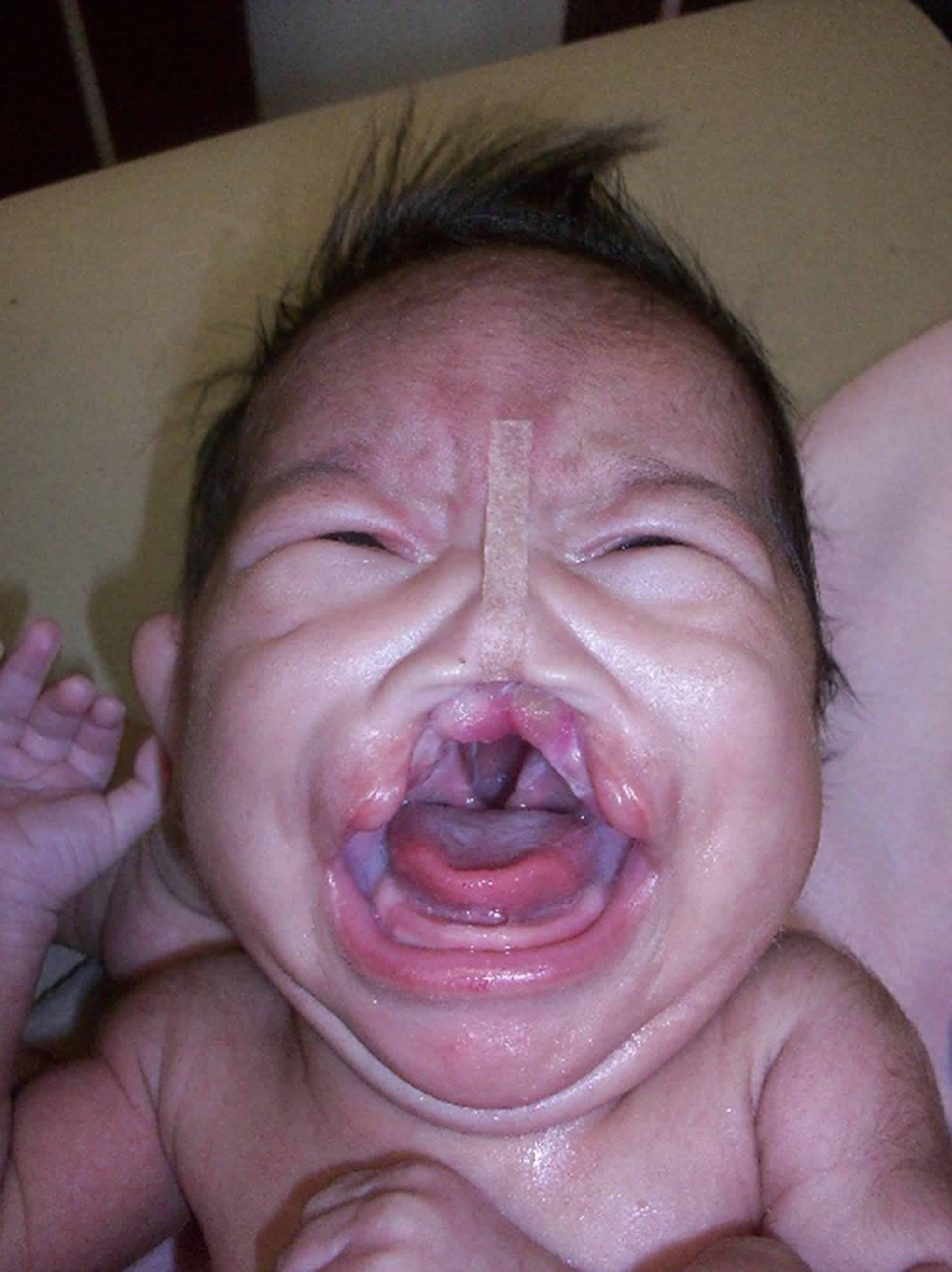
Trisomy 13 syndrome symptoms. Inguinal and umbilical hernia Skeletal abnormalities Microcephaly- small head Small jaw especially lower. The symptoms of Trisomy 13 are evident at the time of birth. Presence of extra genes in chromosome number 13 is known as Patau syndrome or Trisomy 13.
64 were first detected by chromosomal analysis because of abnormalities noted on fetal anomaly scanning in the second trimester. Individuals with trisomy 13 often have heart defects brain or spinal cord abnormalities very small or poorly developed eyes microphthalmia extra fingers or toes an opening in the lip a cleft lip with or without an opening in the roof of the mouth a cleft palate and weak muscle tone hypotonia. Trisomy 13 is a serious genetic syndrome and most babies with Patau syndrome die before birth or within the first week of life.
1 Other symptoms include. Trisomy 13 involves multiple abnormalities many of which are life-threatening. Because of this the symptoms of trisomy 13 vary 1.
Trisomy 18 and 13 are usually caused by spontaneous genetic mutations that occur at the time of fertilization. Extra fingers or toes polydactyly Deformed feet known as rocker-bottom feet Neurological problems such as a small head microcephaly failure of the brain to divide into halves during gestation holoprosencephaly severe mental deficiency. Associated symptoms and findings may vary in range and severity from case to case.
3 of cases were detected through the serum screening programme currently offered for Downs syndrome. Most people have 23 chromosome pairs but people with Patau syndrome have an extra copy of the thirteenth chromosome. Extra number of chromosome is present in all the cells when the baby is formed causing severe intellectual and physical problems.
It has been reported that sometimes Trisomy 13 is mistaken with Trisomy 18 which can be prevented by conducting genetic testing. Breathing difficulty or lack of breathing apnea Deafness. Key points about trisomy 13 and trisomy 18 in children.
Other birth defects of trisomy 13 include. 11 of cases were detected postnatally. Most babies born with trisomy 13 or 18 die by the time they are 1 year old.
Many infants with Trisomy 13 Syndrome fail to grow and gain weight at the expected rate failure to thrive and have severe feeding difficulties diminished muscle tone hypotonia and episodes in which there is temporary cessation of spontaneous berathing apnea. What causes trisomy 18 and trisomy 13. Children born with this syndrome would have severe mental dysfunction in addition to physical abnormalities.
Trisomy 13 also called Patau syndrome is a genetic disorder in which a person has 3 copies of genetic material from chromosome 13 instead of the usual 2 copies. More than 80 of children with trisomy 13 do not survive past the first month of life. Usually computed tomography and magnetic resonance imaging are done to detect the condition of heart brain and kidney.
Rarely the extra material may be attached to another chromosome translocation. The symptoms and features of both mosaicism and partial trisomy tend to be less severe than in simple trisomy 13 resulting in more babies living longer. They include a combination of birth defects such as severe learning problems and health problems that affect nearly every organ in the body.
Trisomy 13 also called Patau syndrome is a genetic defect involving chromosome 13. Normally each egg and sperm cell contains 23 chromosomes. Some of the symptoms of the Patau syndrome- trisomy 13 are.
Life-threatening complications may develop during infancy or early childhood. Coloboma- a hole in the iris of the eye. Patau syndrome Trisomy 13 is a genetic disorder caused by an extra copy of chromosome 13 characterized by mental retardation and defects to the central nervous system and heart Patau Syndrome Trisomy 13.
Read more about Symptoms Diagnosis Treatment Complications Causes and Prognosis. Close-set of closely located eyes. The individuals that survive longer are the ones with partial and mosaic trisomies as symptoms are fewer and less severe.
Trisomy 13 and trisomy 18 are genetic disorders. A baby with trisomy 13 may have eyes set close together and an underdeveloped nose or nostrils and cleft lip or palate. Affected infants typically are unusually small and have feeding difficulties.
In a UK-based study from 2003 44 cases of trisomy 13 and 88 cases of trisomy 18 were examined. However mental intellectual and physical abnormalities are more commonly observed. However Trisomy 13 Syndrome is often characterized by craniofacial neurologic heart cardiac andor other defects.
The most common characteristics of this syndrome are problems such as late development mental disability multiple malformations cardiomyopathy and kidney abnormalities. The union of these cells creates 23 pairs or 46 total chromosomes half from the mother and half from the father. Unless one of the parents is a carrier of a translocation the chances of a couple having another trisomy 13 affected child is less than 1 less than that of Down syndrome.
Many babies do not survive past the first month or within the first year.
Fever chills nausea and loss of appetite are common and burning abdominal pain similar to the pain of a kidney or urinary tract infection may indicate the presence of struvite kidney stones. In these cases the symptoms of kidney stones can include.
 Kidney Stones Symptoms Causes Pacific Urology
Struvite Kidney Stones Symptoms The symptoms of struvite stones are much similar to those of any other type of kidney stone but with a mild variance.
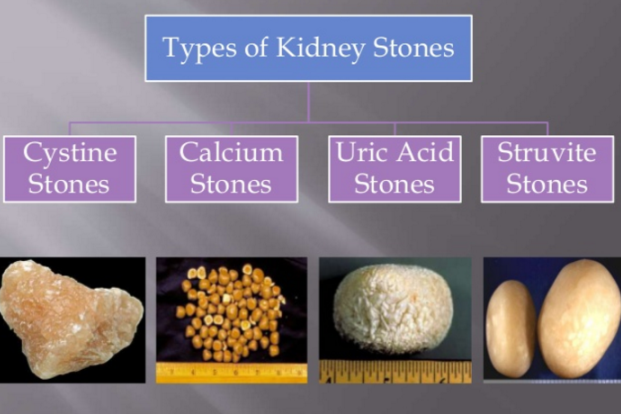
Struvite kidney stones symptoms. It can come and go as the body tries to get rid of the stone. Patient may have fever loss of appetite and chill which are also the symptoms of bacterial infection in urinary tract. Large stones cannot easily pass through urinary tract and are painful.
Struvite stone symptoms mirror those of such infections and include fever chills loss of appetite and nausea. Pressure or pain in the lower back may be an early symptom of kidney stones. Periods of intense pain in the back or side of your abdomen or occasionally in your groin which may last for minutes or hours.
This results in the formation of struvite stones which can grow very quickly into larger and painful stones. About 10 to 15 percent of all kidney stones are made from struvite. Symptoms of Struvite Kidney Stones Since these stones are formed when an infection occurs the individual should be alarmed when he or she experiences lower abdominal or back pain along with symptoms like fever chills nausea vomiting or loss of appetite.
This often occurs when the stone moves from where it was formed in the urinary tract. An increase of ammonia in the urine occurs owing to the bacteria causing the infection. Calcium oxalate uric acid struvite and cystine.
Pain when you urinate. Below is a list of struvite kidney stones symptoms that a person might experience. Struvite stones can grow very quickly.
A persistent ache in the lower back which is sometimes also felt in the groin men may have pain in their testicles and scrotum. Pain in your side and back. Symptoms Of Struvite Kidney Stones By and large kidney stones may not produce any signs and symptoms at all until they move around in the urinary tract.
Kidneys cannot make struvite. Common symptoms of kidney stones include a sharp cramping pain in the back and side. This is because of the infection occurring in the urinary tract.
A kidney stone usually will not cause symptoms until it moves around within your kidney or passes into your ureters the tubes connecting the kidneys and the bladder. Eventually they can block your kidney ureter or bladder and damage your kidney. Shockwave lithotripsy uteroscopy percutaneous nephrolithomy.
The pain often starts suddenly and comes in waves. These bacteria produce the kidney stone named Struvite after Heinrich Christian Gottfried von Struve 17721851. Blood in your urine.
Youll typically experience a gripping pain in your back just below your ribs. Frequent need to urinate. Symptoms of kidney stones When you have kidney stones pain is usually the first sign.
If you experience abdominal pain with such symptoms contact a doctor immediately as kidney infections are a serious medical condition. This type of stone is more common in women than in men. Foul smelling and cloudy urine is also a common phenomenon for struvite kidney stone sufferers.
Tiny stones are less likely to become stuck in the kidneys or other parts of the urinary. Symptoms of struvite stones are similar to those of other types of stones and can include. This pain is best described as a burning sensation although some people also experience cramping.
Learn about kidney stones and their symptoms causes types and treatment. Sign and symptoms of Struvite Stones When kidney stones are small they are passed unnoticed with the urine. Symptoms of struvite kidney stones vary slightly from other kidney stone conditions.
It takes bacteria that normally thrive in the soil and they do it for ancient and compelling reasons. Struvite stones Urea and the planet. This feeling often moves to the lower abdomen or groin.
Signs and symptoms of kidney stones can include severe pain nausea vomiting fever chills and blood in your urine. Kidney stones vary in size. The National Institute of Diabetes and Digestive and Kidney Diseases explains that struvite stones are formed from magnesium and ammonia through the action of bacteria during a kidney infection or UTI 2.
Not all bacteria either. Symptoms include severe lower back pain blood in urine nausea vomiting fever chills and smelly or cloudy urine. These stones form because of urinary tract infection UTI.