The United Nations Convention on the Rights of the Child is an important agreement by countries who have promised to protect childrens rights. All the rights are connected they are all equally important and they cannot be taken away from children.
 The Un Convention On The Rights Of The Child In Child Friendly Language Let Them Know Their Own Right Rights Respecting Schools Childhood Education Youth Work
The childs right to rest leisure and recreational activities.
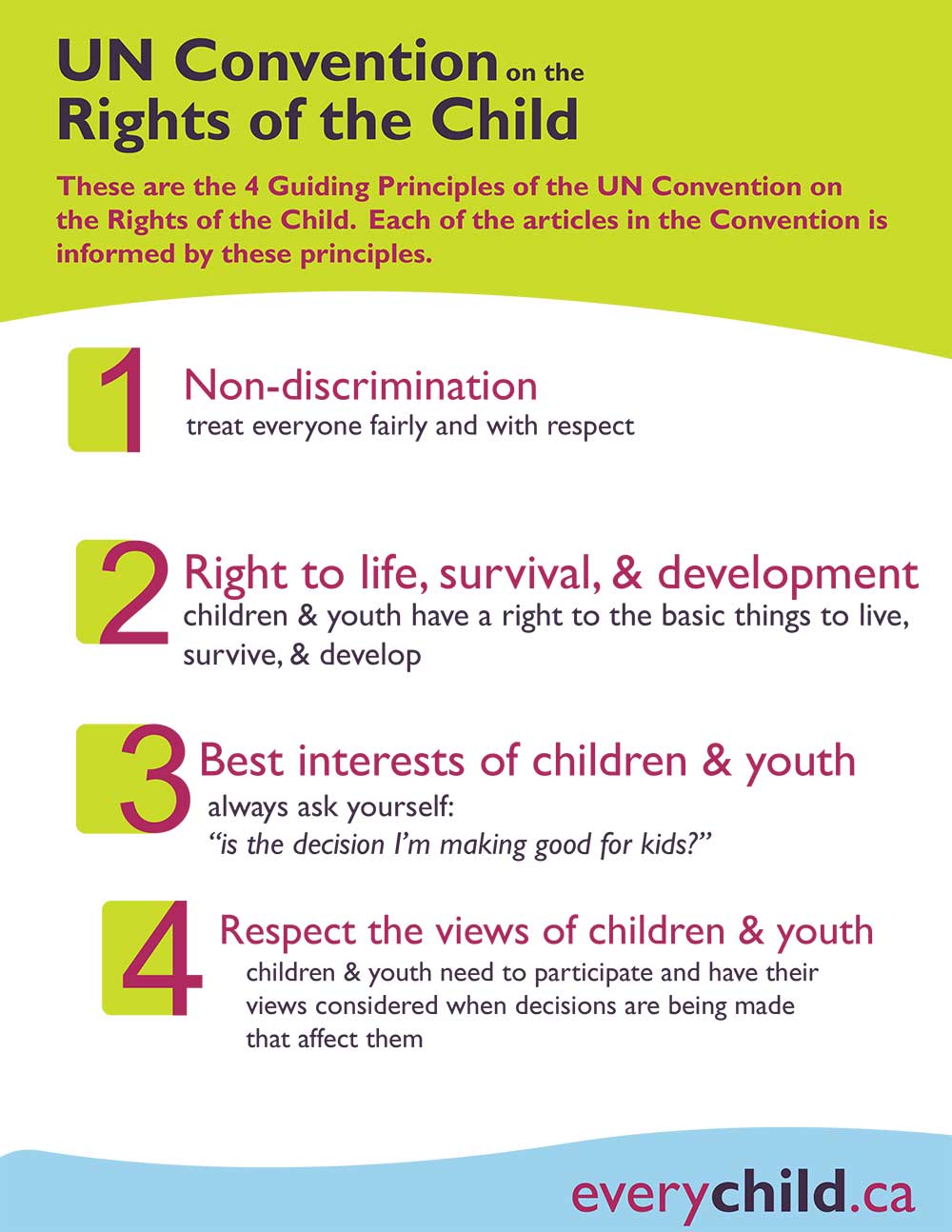
Un rights of the children. The United Nations Convention on the Rights of the Child commonly abbreviated as the CRC or UNCRC is an international human rights treaty which sets out the civil political economic social health and cultural rights of children. About Press Copyright Contact us Creators Advertise Developers Terms Privacy Policy Safety How YouTube works Test new features Press Copyright Contact us Creators. THE UNITED NATIONS CONVENTION ON THE RIGHTS OF THE CHILD A child is any person under the age of 18.
Its become the most widely ratified human rights treaty in history and has helped transform childrens lives around the world. In 1959 the UN General Assembly adopted the Declaration of the Rights of the Child which defines childrens rights to protection education health care shelter and good nutrition. Recognizing that the United Nations has in the Universal Declaration of Human Rights and in the International Covenants on Human Rights proclaimed and agreed that everyone is entitled to all the rights and freedoms set forth therein without distinction of any kind such as race colour sex language religion political or other opinion national or social origin property birth or other.
Children also have special rights because of their vulnerability such as the right to protection from exploitation and abuse the right to be cared for and have a home and the right to have a say in decisions which. Rights are things every child should have or be able to do. It is the most complete statement of childrens rights ever produced and is the most widely-ratified international human rights treaty in history.
Just like adults children have human rights across the full spectrum of civil cultural economic political and social rights. Read the full convention pdf. Preamble The preamble recalls the basic principles of the United Nations and specific provisions of certain relevant human rights treaties and proclamations.
The UNCRC defines the child as a person under 18 years of age. The rights of children belonging to ethnic religious or linguistic minority groups. Thirty years ago world leaders made a historic commitment to the worlds children by adopting the United Nations Convention on the Rights of the Child an international agreement on childhood.
Read a child-friendly version of the UNCRC. The 1989 Convention on the Rights of the Child is a treaty that recognizes specific rights for children. All children have the same rights.
These rights are listed in the UN Convention on the Rights of the Child. The United Nations Convention on the Rights of the Child UNCRC is a legally-binding international agreement setting out the civil political economic social and cultural rights of every child regardless of their race religion or abilities. Both the United Nations Human Rights Council and the General Assembly of the United Nations have adopted resolutions on the rights of the child.
The childs right to be protected from economic exploitation. It reaffirms the fact that children because of their vulnerability need special care and protection and it places special emphasis on the primary caring and protective responsibility of the family. Read the full text of the United Nations Convention on the Rights of the Child.
Thirty years ago world leaders made a historic commitment to the worlds children by adopting the United Nations Convention on the Rights of the Child an international agreement on childhood. This year UNICEF commemorates the treatys 30th anniversary and our longstanding promise to protect the rights of every child around the world. The United Nations Convention on the Rights of the Child or UNCRC is the basis of all of Unicefs work.
Further the Declaration gives the right to live in freedom peace and security including protecting children from being removed from their group by force Article 72 the right to all levels of. The Convention explains who children are all their rights and the responsibilities of governments. It acknowledges the primary role of parents and the family in the care and protection of children as well as the obligation of the State to help them carry out these duties.
Its become the most widely ratified human rights treaty in history and has helped transform childrens lives around the world. Almost every country has agreed to these rights. The Convention on the Rights of the Child defines a child as a human being below the age of 18 unless national laws recognize an earlier age of majority.
Children have the right to their own identity an official record of who they are which includes their name nationality and family relations.
Children 10 years and older. School-age 6-11 y 60-95.
/a-pediatrician-is-examining-a-child-with-a-stethoscope-916799828-5b356a8ec9e77c001aa47b56.jpg) Normal Heart Rate For Children
Normal Heart Rate For Children
Normal Heart Rate by Age BeatsMinute Age Awake Rate Sleeping Rate.

Heart rate range for children. Neonate. In pediatrics the normal heart rate varies with age see Table 1. If the oral temperature is above 995 F or the rectal reading is 1004 F or higher your child has a fever.
Heart rate is a measure of how many times the heart beats in a minute. Tachycardia in a child varies depending on the age of a child see table below. A lot of people mistaken the pulse rate for heart rate.
Usually the average heart rate of children is 60 beats per minute when they are resting while it can go as high as 220 beats when they are active. Many factors can affect your resting heart rate including your level. 4 year old boys average heart rates of 94 bpm while girls average slightly higher at 97 bpm 2.
90 of 4 year olds resting pulses fall within the range of 75 to 114 bpm. Depending on their age children can have a pulse between 43 and 180 beats per minute. Babies have the highest pulses and the rate slows down as a child grows.
For example a pulse rate of 130 in a 10 year old is tachycardia but not in a 1 year old. For example a person can place a finger on a childs pulse and count the total. 15 years or older.
Infants have a higher heart rate than children. To the best of our knowledge normal limits of heart rate with respect to gender and as established using 24-hour ambulatory Holter electrocardiography have yet to be published for the entire age range of children and adolescents. Cardiac arrhythmias causing tachycardia where the rhythm is not normal.
In adults this is usually defined as 100 beats per minute bpm. School-aged child 5-12 years. Infant 1 mo-1 y 100-150.
Toddler 1-2 y 70-110. For some children a slower heart rate does not bring on any problem. So when we are talking about pulse rate.
100-160 beats per minute bpm Toddler 1-3 years. Understanding the variations in heart rates and how to properly check your childs rate can help keep track and prevent unnecessary concern. Low And Normal Range.
You may be surprised that your children will typically have a higher pulse rate. Its likely that your childs pulse stays within these healthy ranges even if the pulse feels very fast. 4 min read November 4 2019.
Heart Rate Beatsminute Respiratory Rate Breathsminute Term. Heart Rate by Age Range. There are a few ways to test heart rate.
Preschool 3-5 y 65-110. Therefore in children the definition of tachycardia is age dependent. Infant to 12 months.
In intubated or sedated children motor response provides the most important information. When there is a suspected or known head injury a GCS score of 13 to 15 is considered mild 9 to 12 is moderate and 3 to 8 is severe. Sinus tachycardia - the rhythm is normal.
The heart rate will fall below 50 bpm. A normal temperature is 986 F if taken in the mouth and 996 F if taken in the bottom. According to Cleveland Clinic the normal resting heart rate for a child aged six to 15 is between 70 to 100 beats per minute.
Normal resting heart rate for 4 year olds Normal healthy resting pulse rates for 4 year olds The average resting heart rate HRrest for a 4 year old is 96 beats per minute 2. 60 to 100 beats per minute. The normal average heart rate for children depends on their age group.
Median heart rate increases from 127 beats per min at birth to a maximum of 145 beats per min at about 1 month before decreasing to 113 beats per min by 2 years of age. Heart rate is the number of times that the heartbeats in one minute. Normal Pulse Rate For Children And Adults.
The lower the motor response score the more serious the deficitinjury. 3 min read November 4 2020. Bradycardia refers to a heart rate in children lower than the normal range for the age.
Adolescent 12-15 y 55-85. Many parents know that their own pulse or heart rate should be within about 60 to 100 beats per minute. Heart Rate beats per min Newborn.
Repeated complaints of physical symptoms egheadaches stomach aches nausea vomiting when separation from major attachment figures occurs or is anticipated. Separation anxiety is normal during early childhood.
 How To Deal With Separation Anxiety In Babies
The behaviour you might see when children are separated from parents is sometimes called separation protest.

Separation anxiety in children. The child has a fear of being lost from their family or of something bad occurring to a family member if he or she is not with the person. Separation anxiety disorder is the most prevalent anxiety disorder in children under the age of 12. It usually goes away gradually throughout early childhood.
Separation anxiety disorder SAD is a condition in which a child becomes fearful and nervous when away from home or separated from a loved one -- usually a parent or other caregiver -- to whom the. They often require a parent or caregiver to stay with them when they fall asleep and make their way into the parents bedroom when they wake during the night. It helped keep our ancestors alive and helps children learn how to master the world around them.
What is separation anxiety in children. Separation anxiety is common in children aged between 18 months and 3 years. If your childs separation anxiety seems intense or prolonged especially if it interferes with school or other daily activities or includes panic attacks or other problems he or she may have separation anxiety disorder.
Separation anxiety is the common and normal fear that children have of being away from their parents or caregivers. Children with Separation Anxiety Disorder tend to shadow parents around the house have difficulty playing or being alone and have difficulty at bedtime. This can happen when children are left with a new caregiver or put to bed by themselves.
This does not point to a disorder. Separation anxiety can start at around 8 months and reach its peak in babies aged 14-18 months. A child with SAD worries a lot about being apart from family members or other close people.
Separation anxiety is a normal stage as a child grows and develops. Separation anxiety is childrens common and normal fear of being away from their parents or carers. Separation anxiety can start at around 9 months and reach its peak in babies aged 14-18 months.
Your child has trouble falling asleep alone at night. In some children separation anxiety is a sign of a more serious condition known as separation anxiety disorder starting as early as preschool age. Although some babies display object permanence and separation anxiety as early as 4 to 5 months of age most develop more robust separation anxiety at around 9 months.
Separation anxiety is seen on average in 2-4 of children. In a given 12-month period in the US the prevalence of separation anxiety disorder is. This anxiety is a feeling of worry when a parent or guardian either leaves the room.
What is separation anxiety disorder. At this age toddlers begin to understand that parents may be out of sight now but will return later. Clinging to the caregiver.
SAD is a psychiatric disorder that affects approximately 4 of children and 1 - 2 of adolescents. Separation anxiety develops after a child gains an understanding of object permanence. Separation anxiety can be seen in toddlers children and teens.
What is separation anxiety disorder in children. Your child resists going to school camp or play dates without you there. This anxiety disorder is often a precursor to school refusal.
SAD is characterized by significant developmentally inappropriate fear and anxiety about being separated from significant attachment figures often one or both parents. Separation anxiety disorder can make children insomniacs either because of the fear of being alone or due to nightmares about separation. But there are symptoms of separation anxiety disorderwhich can vary depending on a childs age.
Separation anxiety is normal in very young children. Separation anxiety is the anxiety or fear that occurs when a parent or caregiver separates or is separated from the child. Separation anxiety is common and only seen in children.
Separation anxiety disorder SAD is a type of mental health problem. It is a normal part of growing up. At the time of separation or before children with separation anxiety problems often complain they feel ill.
Kids who worry are often quietly worried says Dr. Once your infant realizes youre really gone when you are it may leave him unsettled. It usually ends when the child is around 2 years old.
Separation anxiety is normal in early childhood and can occur when a child gets upset when separated from a parent or carer. The fear anxiety or avoidance is persistent lasting at least 4 weeks in children and adolescents and typically 6 months or more in adults. Physical sickness like a headache or stomach pain.
All children and teens feel some anxiety. Why separation anxiety happens. The child feels scared or worried about the caregivers absence and struggles to calm themselves.
Separation anxiety and fear of strangers is common in young children between the ages of 6 months and 3 years but its a normal part of your childs development and they usually grow out of it.
Wechsler Intelligence Scale for Children Fifth Edition WISC-V is an intelligence test that measures a childs intellectual ability and 5 cognitive domains that impact performance. The Wechsler Preschool and Primary Scale of Intelligence WPPSI is an intelligence test designed for children ages 2 years 6 months to 7 years 7 months developed by David Wechsler in 1967.
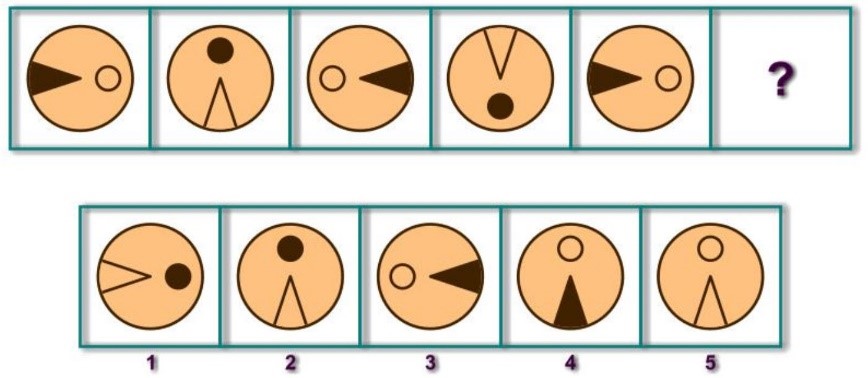 Wisc Sample Test Questions Wisc Iv Wisc V Testingmom Com
Guidance on using this test in your telepractice.
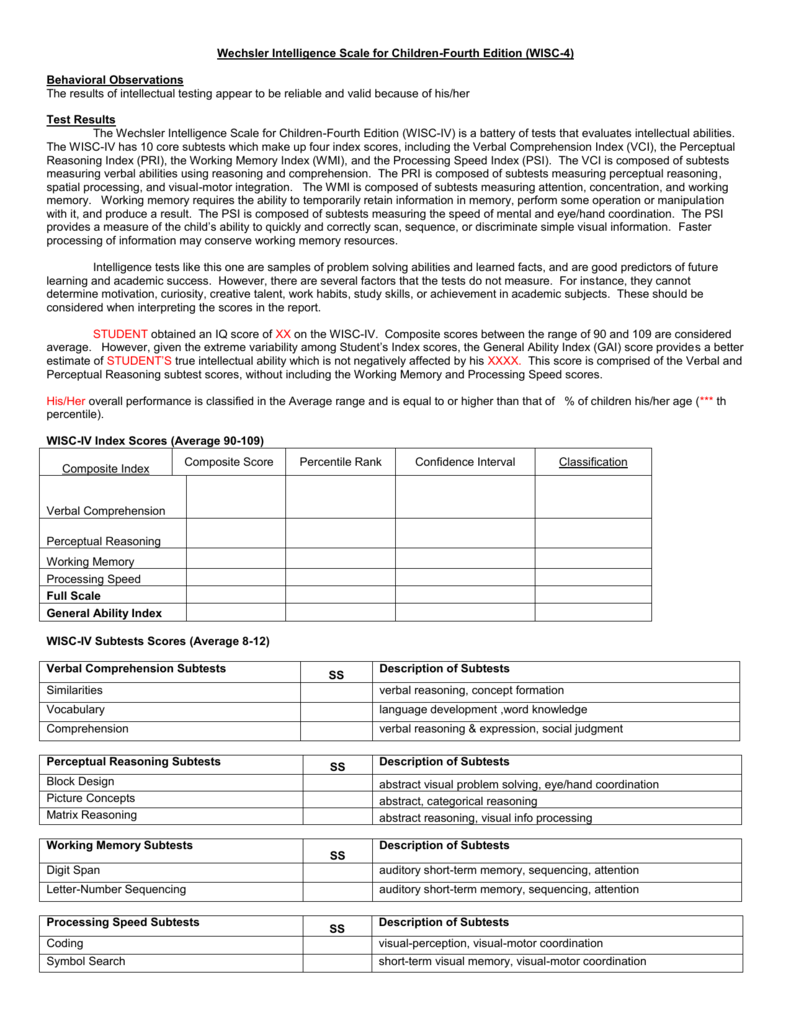
Wechsler test for children. Wechsler Intelligence Scale for Children. The Wechsler Intelligence Scale for Children Fifth Edition WISC-V. The Wechsler Intelligence Scale for Children WISC has been around since 1949 as an adaptation of David Wechslers 1939 Wechsler-Bellevue Intelligence Scale.
The Wechsler test is the most frequently used and there are different variations of the test based on age groups. One of the most commonly used assessments for school-aged children is the Wechsler. And the Wechsler Adult Intelligence Scale WAIS for ages 16 and above.
The WISC-V takes 4565 minutes to administer. In total the test only takes about an hour to administer. This version of the Wechsler test is a psychological assessment that measures different aspects of intelligence and is designed for children between the ages of 6 to 16.
Refines and tests hypotheses about why a child may have difficulty in a specific cognitive area. The WISC Test Wechsler Intelligence Scale for Children is an IQ test administered to children between ages 6 and 16 by school districts and psychologists. It was developed by Dr.
The Wechsler Intelligence Scale for Children WISC developed by David Wechsler is an individually administered intelligence test for children between the ages of 6 and 16. The WISC-V takes 4565 minutes to administer. The WISC test is an IQ test given to children ages 65 and older.
Wechsler 2014 is the most recent version. The exam was developed by David Wechsler and may be used as an admissions test for some private schools or as an exam for entrance into a gifted program. Wechsler Intelligence Scale for Children Fifth Edition WISC-V This is the most commonly used IQ test for children ages 6 to 16.
Intelligence Scale for Children Fifth Edition WISC-V. The WISC-V Wechsler Intelligence Scale for Children Fifth Edition Australian Standard is an individually administered and comprehensive clinical instrument used to assess the general thinking and reasoning skills of children aged six years to 16 years. Wechsler Intelligence Test For Children The Wechsler Intelligence Scale for Children WISC developed by David Wechsler is an individually administered intelligence test for children between the ages of 6 and 16.
However children may take the WISC-V as a part of a more comprehensive neuro-psychological evaluation which may take several hours. The Fifth Edition WISC-V. Changes from the fourth edition of the Wechsler Intelligence Scale for Children WISC to the fifth edition are discussed with particular emphasis on how the electronic administration facilitated assessment.
The Fifth Edition WISC-V. The Wechsler Intelligence Scale for Children WISC for ages seven to 16. The hierarchical organization and conceptualization of primary indices have been adjusted.
It is a descendant of the earlier Wechsler Adult Intelligence Scale and the Wechsler Intelligence Scale for Children tests. The Weschler Intelligence Scale for Children Fifth Edition or WISC-V is an individually administered intelligence test or IQ test designed for children between the ages of 6 and 16. Test results include a Full-Scale Intelligence Quotient.
David Wechsler 1896-1981 who was the chief psychologist of New York Citys Bellevue Psychiatric Hospital. The WISC-IV for example is used to test children from the age of 6. There are two IQ tests for children I have found to have high reliability.
The Wechsler Intelligence Scale for Children WISC is an intelligence test which determines an individual childs IQ or intelligence quotient. The types of Wechsler intelligence tests include the Wechsler Pre-School and Primary Scale of Intelligence WPPSI for ages three to seven years. The objective of the exam is to understand whether or not a child is gifted as well as to determine the students cognitive strengths and weaknesses.
Psychologists measure a childs IQ or intelligence quotient by using tests such as the WISC IQ test which stands for Wechsler Intelligence Scale for Children. Wechsler 2014 is the most recent version. Located at the top of our Buy Now page you can unlock the Free 100 Questions and use them as a sample of what we offer.
The Wechsler Intelligence Scale for Children or WISC is a verbal exam for children ages 6 to 17 that assesses a childs intelligence and generates an IQ score. The assessment generates five composite score indices. This intelligence test is typically used as the primary indicator of giftedness in a child from ages 6 to 16.
Arguably the most thorough of the bunch the WISC-V test not only produces a full-scale IQ score but also produces five factor scores that measure different dimensions of functioning. The Wechsler Intelligence Scale for Children Fifth Edition Integrated WISC-V Integrated includes 14 subtests that provide insight into a childs WISC-V performance and approach to learning. For children ages 3-65 you would want to use a test called the Wechsler Preschool and Primary Scale of Intelligence or WPPSI.
It generates a Full Scale IQ formerly known as an intelligence quotient or IQ score that represents. The WISC V is the most current version of the WISC.
Failure to thrive is slow physical development in a baby or child. This can occur in children of all ages from babies and toddlers to adolescents and teenagers.
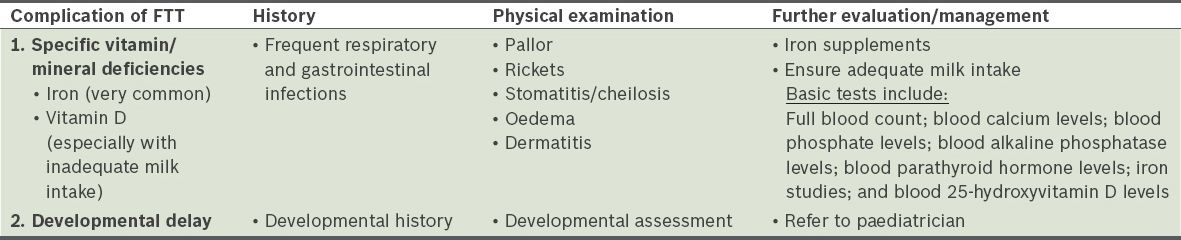
Rather it describes a situation in which a child is.

Failure to thrive in children. Children with very low weight for age or height and those who do not maintain an appropriate growth pattern may have failure to thrive FTT also known as weight faltering. Failure to Thrive Childrens Hospital of Philadelphia. The causes of failure to thrive can be organized into three general categories.
Failure to thrive FTT is when your child does not gain weight or grow as fast as he should. Its caused by a baby or child not having enough nutrition. Key points about failure to thrive in children.
FTT has many possible causes. Failure to thrive means that a child is not growing as he or she should. It is a condition when a babys growth height or weight rate is much slower than the rest of the babies of his age.
Medical problems such as diarrhea or vomiting that continue may be the cause of organic FTT. It can be the result of certain medical conditions or environmental factors. Failure to thrive FTT means a baby is not putting on weight as normal.
A child with FTT is at risk for problems such as short height behavior problems and developmental delays. What is failure to thrive. Failure to thrive may cause developmental delays in the child and can lead to other.
Children are diagnosed with failure to thrive when their weight or rate of weight gain is significantly below that of other children of similar age and sex. The term itself can be misleading and often causes distress to parents. Not meeting weight milestones.
Failure to thrive FTT should be suspected in children with a significant drop in percentile rank on growth parameters or a consistently low rank eg below 3rd to 5th percentile. The two kinds of FTT are organic and non-organic. Nonorganic FTT is due to psychosocial problems eg neglect poverty.
Failure to thrive is defined as children or baby who dont meet the expected standards of weight gain and have poor linear height growth within the first few years of life 2. FTT has many possible causes. Organic FTT is due to a medical disorder eg malabsorption inborn error of metabolism.
Poor growth is a more accurate and less emotive term and will be used in this guideline. What is Pediatric Failure to Thrive FTT. Key points about failure to thrive in children.
A child is said to have failure to thrive when they dont meet recognized standards of growth. Failure to thrive isnt a disease or disorder. Failure to thrive FTT is a condition in which a childs current weight or rate of weight gain is much lower than that of other children of similar age and gender.
Failure to thrive is slow physical development in a baby or child. Luther Emmett Holt known as one of Americas first and finest pediatricians decided that parents were spoiling their children by cuddling and holding them too much. Insufficient weight gain or inappropriate weight loss in pediatric patients Low weight for the childs age Low rate of increase in the weight Less than the 5th percentile Can be caused by problems with genes or factors such as abuse and neglect How it affects the child.
Failure to Thrive In Infants Failure to Thrive FTT describes an infant or child who does not gain weight at the expected rate. A touch-less society can lead to failure to thrive and death with newborn babies. Signs and symptoms of failure to thrive in children may include.
First a child may not be taking in enough nutrition to support normal weight gain. Infants or children that fail to thrive seem to be dramatically smaller or shorter than other children the same age. Its caused by a baby or child not having enough nutrition.
Doctors use the term failure to thrive when a child is not meeting weight or height milestones for their age. Failure to Thrive Pathophysiology. FTT is a long-term condition and your child may continue to need treatment and monitoring as he grows up.
A child with FTT is at risk for problems such as short height behavior problems and developmental delays. Psychological social or economic problems within the family almost always play a role in this condition. Secondly some children may have increased needs for calories.
It is associated with poor developmental and emotional functioning. Doctors might order tests such as blood tests or urine tests to check for medical problems that could affect a childs weight and growth. The perils of a touch-less society became apparent in the early 1900s when Dr.
Many things can cause failure to thrive including illnesses and eating problems or inadequate nutrition. Failure to thrive is an older term often used to describe inadequate weight gain in infants and children. Children may have failure to thrive if they weigh less than most kids their age or arent gaining weight as quickly as they should.
What is failure to thrive.